
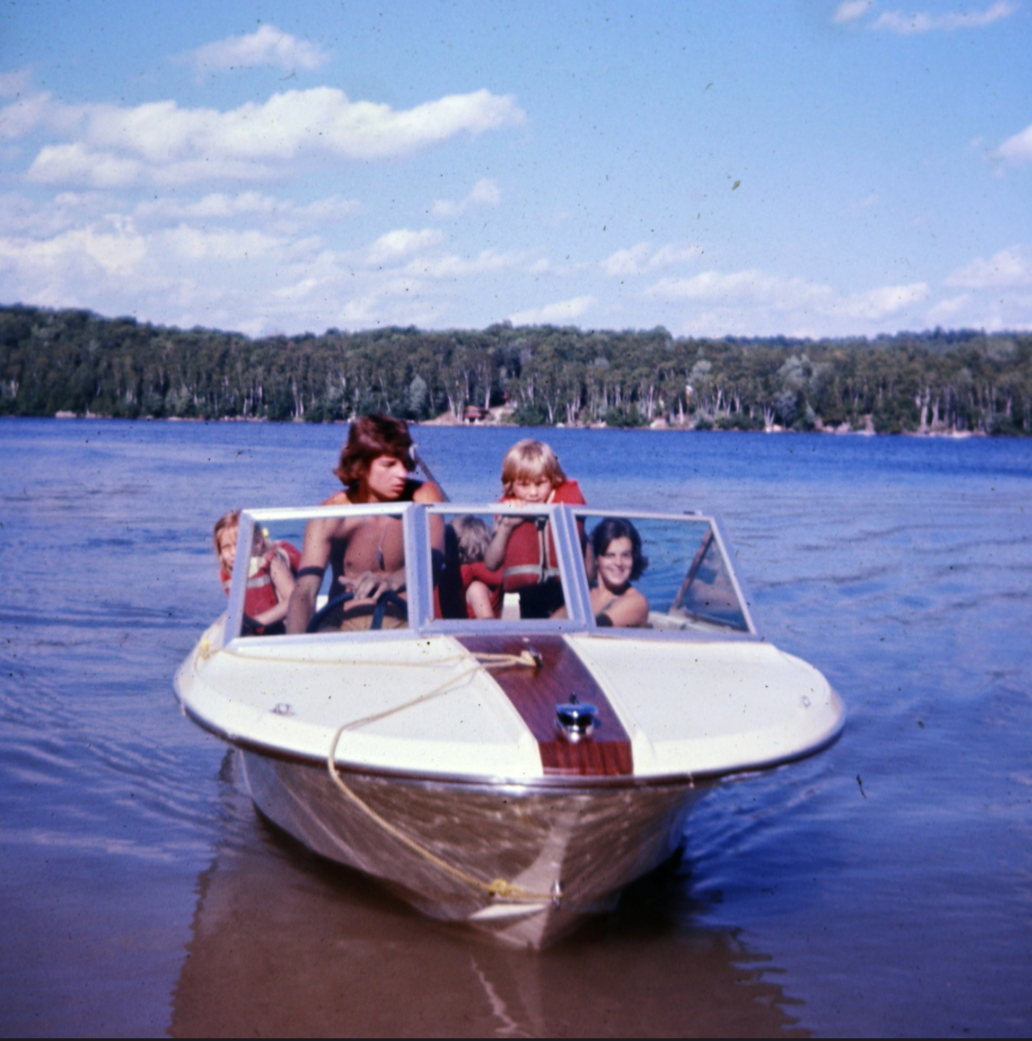
Boshkung Lake: Boating Safety
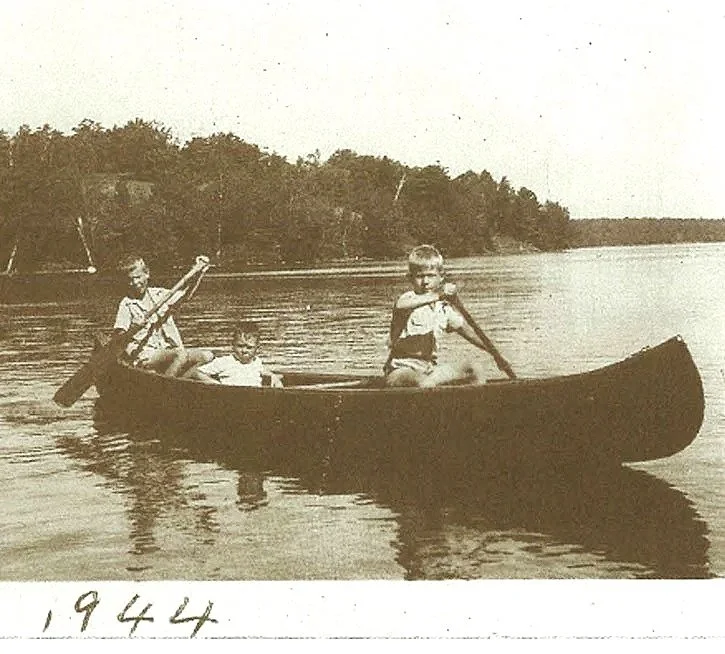
The information collected here is intended to help everyone be safe and enjoy their time on the lake. If anyone has suggestions about content, especially how to improve or add to what’s already included, please contact us at webblpoa@gmail.com.
In addition to Transport Canada’s Safe Boating Guide mentioned below (or CLICK HERE), a concise collection of information for boaters is provided by Discover Boating Canada. For a copy, CLICK HERE.

What’s New - April 2026
Effective January 6, 2026, there are new boat licence registration and renewal requirements (not to be confused with your Pleasure Craft Operator Card).
Renewals are now required every five years, even for boat registrations that were previously life time in duration.
🚤 Safe Boating Do’s and Don’ts
Slow Down, Stay Safe and Protect Our Shoreline
✅ DO’s
☐ Slow down near docks, swimmers, wildlife and other boats
☐ Keep a proper lookout at all times, especially watch for swimmers, paddlers, other boats and hazards, including submerged rocks and water lines
☐ Carry all required safety equipment on board, including a sufficient number and properly fitting life jackets, and keep your boat properly illuminated at night and during periods of reduced visibility, as required by federal law
☐ Ensure the operator has a valid Pleasure Craft Operator Card (PCOC) and that you are using a spotter when towing skiers, tubers or wake boarders, as required by federal law
☐ Be respectful of other boaters, your neighbours and wildlife’s peaceful and quiet enjoyment of the lake
☐ Operate your boat in safe and responsible manner with due care and attention at all times
🚫 DON’Ts
☐ Don’t exceed 10 km/h within 30 m of the shoreline, as required by federal law
☐ Don’t operate a boat under the influence of alcohol or drugs (including cannabis)
☐ Don’t create large wakes or cut close to docks, swimmers, other boats or the shoreline
☐ Don’t forget boat registration, proper markings and, when needed, navigation lights, as required by federal law
☐ Don’t cause unnecessary or loud noises when operating your boat that may disturb wildlife, your neighbours or other boaters
☐ Don’t operate your boat in a careless or dangerous manner
Slow Boating = Safer Swimmers, Happier Neighbours and Wildlife and Healthier Shorelines
When In Doubt — Slow Down
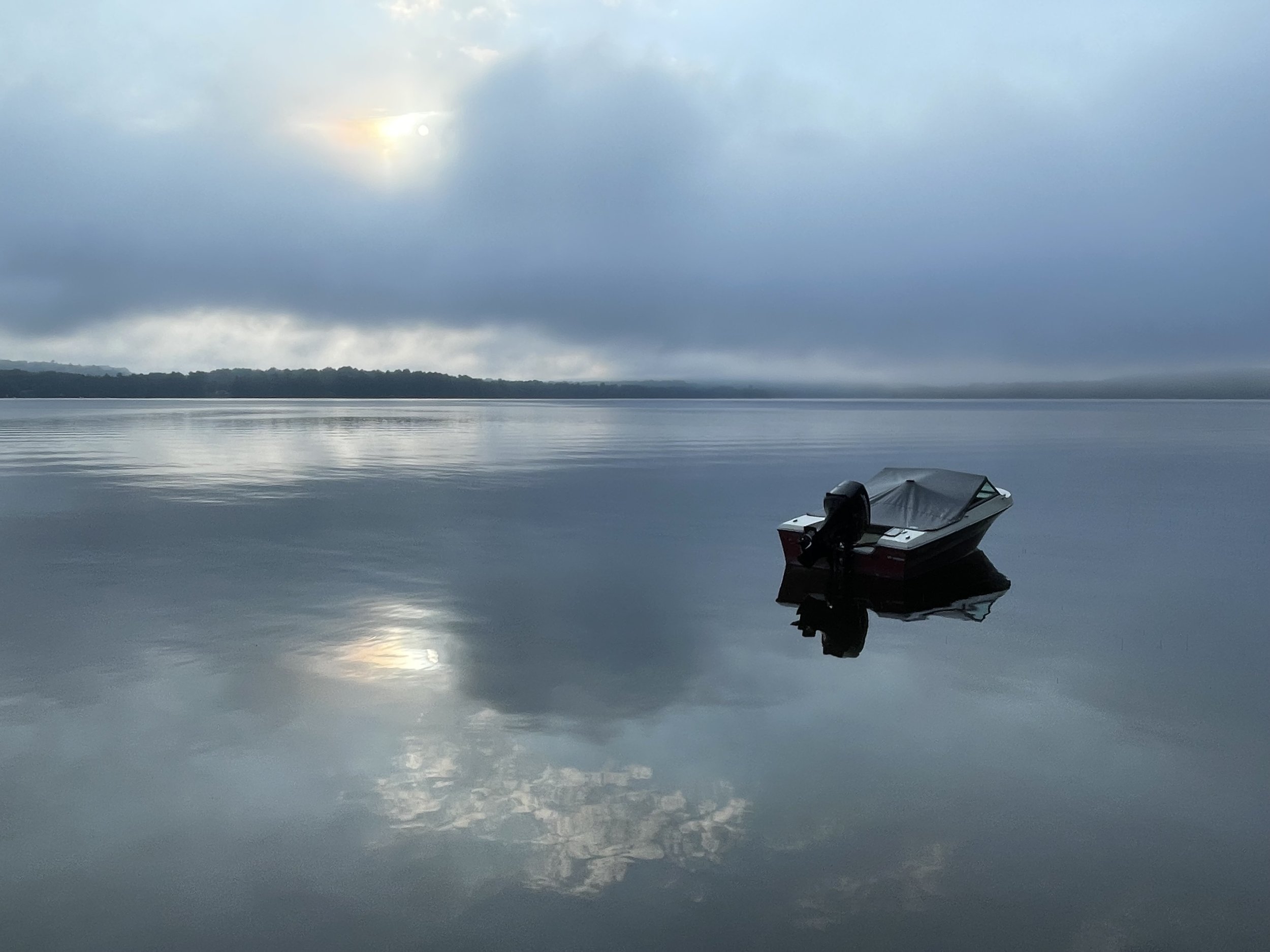
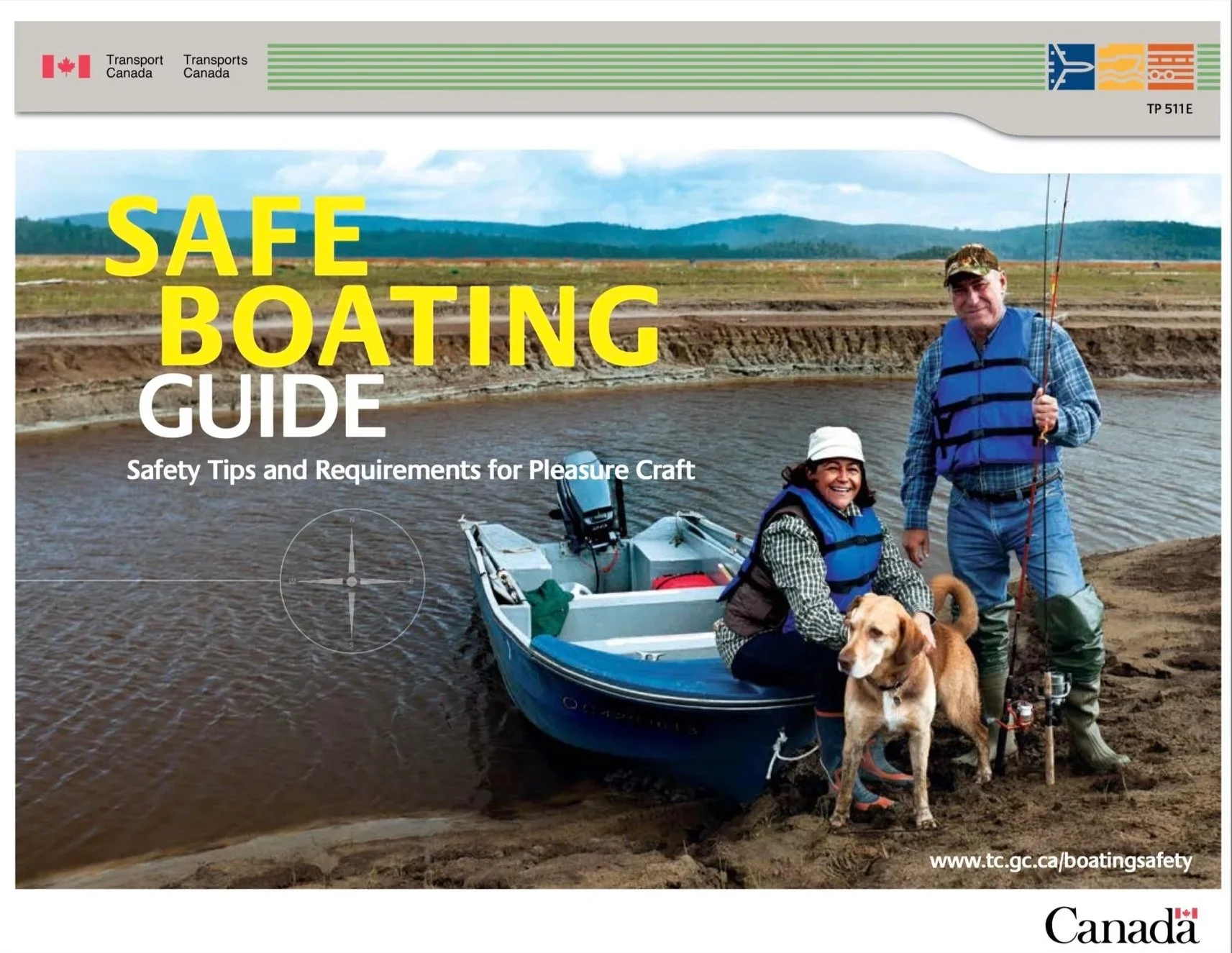
To assist everyone in staying safe on the lake, we’re providing a link below to Transport Canada’s very important publication, the Safe Boating Guide, which everyone is encouraged to read and re-read regularly, as well as share and make accessible to family, friends and visitors. It just might save a life.
A selection of useful maps of the lake can be viewed at the link below (Our Maps), a number of which indicate approximate depths.
Please note that these maps are not intended for use as navigational tools.

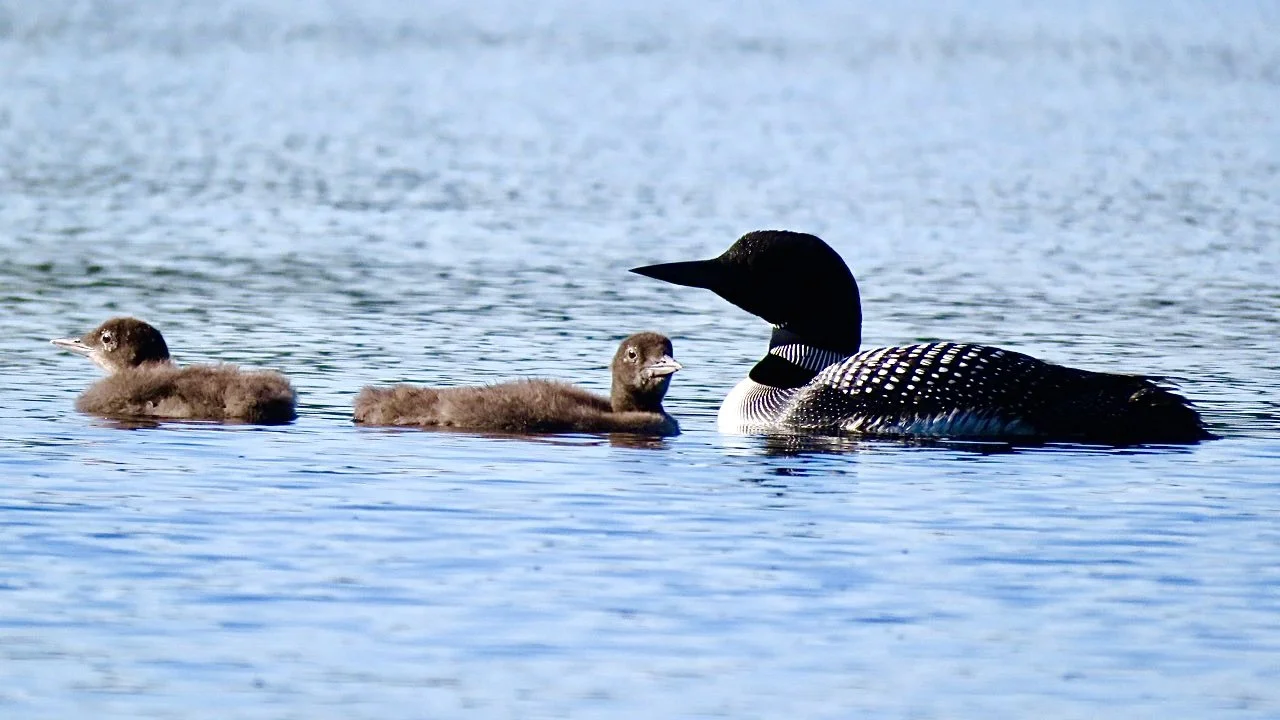
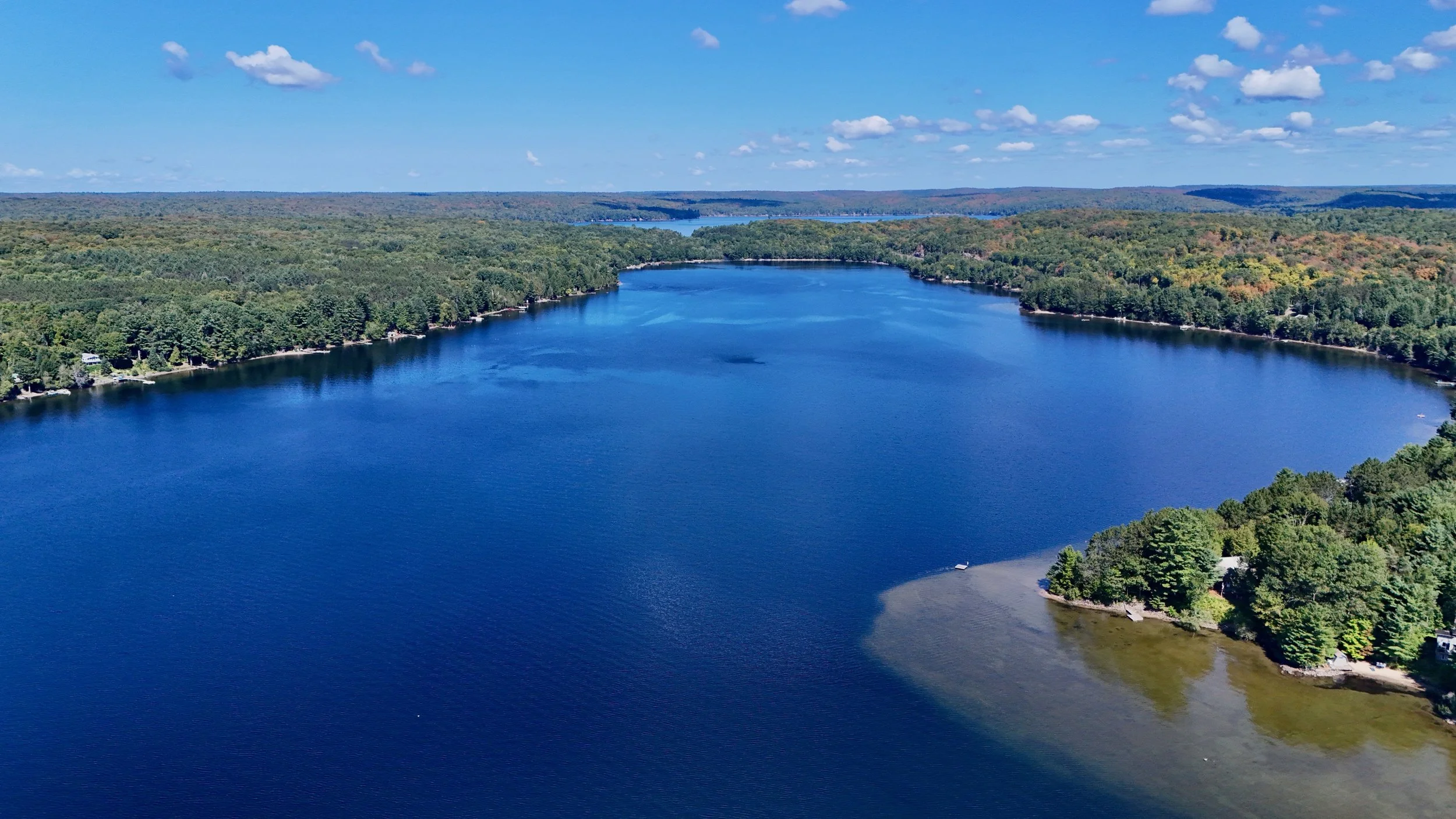
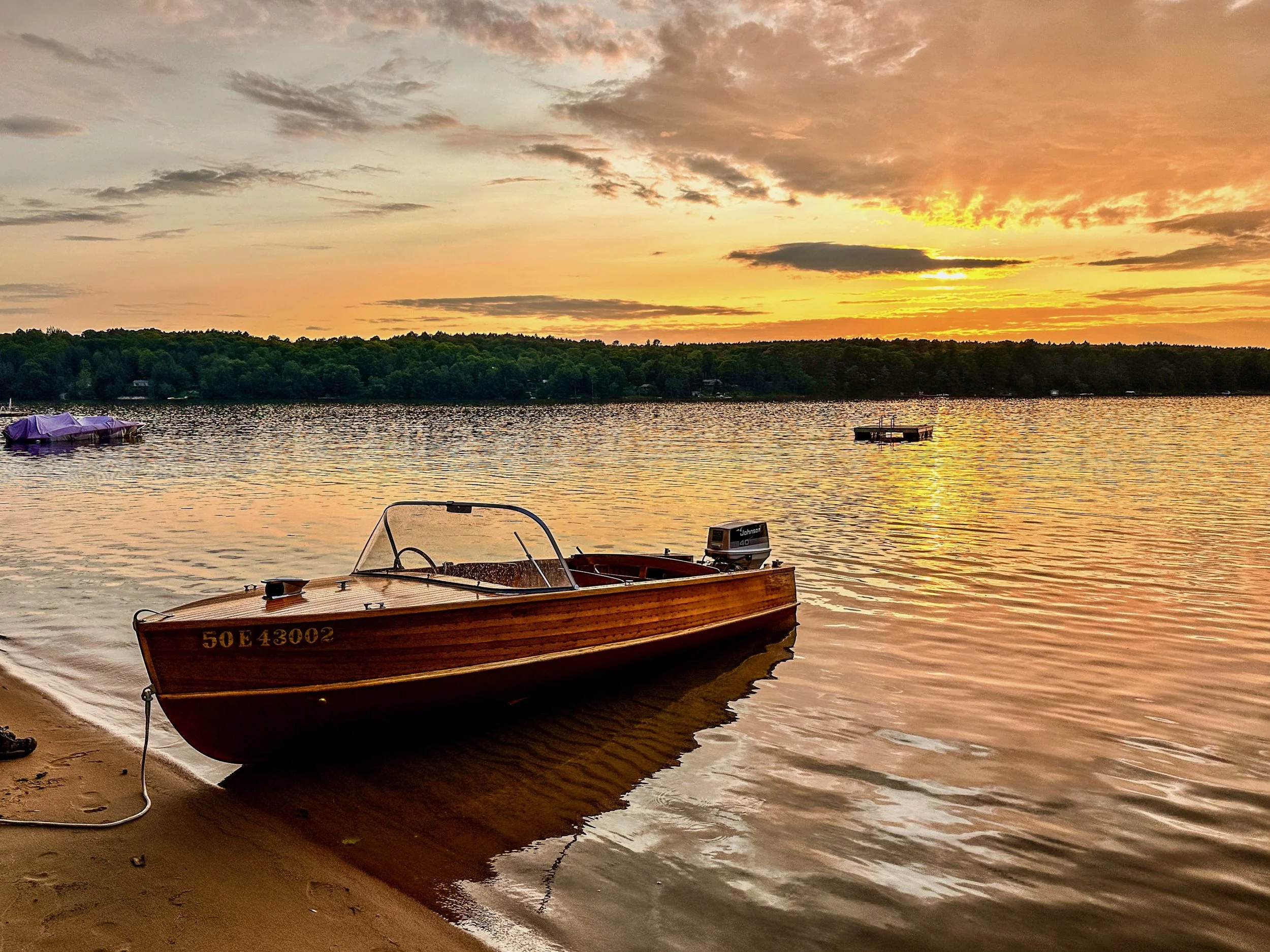
Photo by Julia Lewis
Boat Right - Be Polite
“Boat Right - Be Polite” is the name of a boater education program that was originally developed by the Lake of Bays Cottagers Association in cooperation with the Federation of Cottagers’ Association (FOCA).
The key to this program is the understanding that everyone has the right to enjoy a safe and enjoyable time on the water. This means that everyone also has the responsibility to respect and share our waterways with other boaters, wildlife, swimmers, divers, paddlers and nearby residents.
“Boat Right” reflects the legal requirements of recreational boating in Canada as described in Transport Canada’s Safe Boating Guide. For a copy, CLICK HERE.
Everyone is encouraged to keep a copy of this important guide accessible at the cottage to share with your friends and family. Remember that violating Canada’s boating laws are criminal offences that may carry fines and other serious consequences.
For example:
It is a criminal offence to operate a vessel in a way that is dangerous to the public (e.g., high speed, reckless maneuvering) or to knowingly operate an unseaworthy boat (e.g., damaged hull, overloaded). For a useful article from Drive a Boat Canada about dangerous boating offences and fines in Canada, CLICK HERE.
Boating while intoxicated carries similar consequences as drinking and driving a motorized vehicle. For a useful article from BoatSmart about Drinking and Boating Laws in Canada, CLICK HERE.
For more information from Transport Canada about Speed and Impaired Boating in Canada, CLICK HERE.
“Be Polite” emphasizes general courtesy and mindful operation of your watercraft to ensure a safe and enjoyable time for everyone on the water. For an illustration by FOCA of what that looked like in 2005, CLICK HERE.
For 2026 and beyond, some examples of the “Being Polite” guidelines include:
Be #WakeAware: Minimize the wake produced by your boat, especially near shorelines, docks, and smaller vessels (e.g., canoes, kayaks, and sailboats). Excessive wake can cause shoreline erosion, damage property, disrupt wildlife (like loon nests), and pose a safety hazard to swimmers and smaller craft.
Observe Speed Limits: Adhere to all speed limits, including posted limits and no-wake zones, recognizing that in Canada the legal speed limit within 30 metres (100 feet) of shore is 10 km/hour (6 mph).
Travelling At Speed: When travelling safely at faster speeds, try to keep to the middle of the lake.
Control Noise Levels: Sound travels very well over water, so keep music and voices at a reasonable volume, particularly during early morning or late evening hours when others may be sleeping or seeking quiet on their shores and property.
Vary Your Route: When engaged in activities like water skiing or tubing, avoid making repeated passes in front of the same cottages or in the same area. Varying your route helps distribute the noise and wake impact across the lake.
Maintain Distance: Keep a safe and respectful distance from other boats, swimmers, and the shoreline. Do not "buzz" or circle close to people or small watercraft, since it is both dangerous and disrespectful.
Docking / Boat Ramp Etiquette: When using shared facilities, including docks, boat ramps or marinas, approach them at a slow, no-wake speed, and be ready to assist others with lines if needed. Move your boat away from the boat ramp or fuel pump quickly once you are finished to allow others access.
Proper Waste Disposal: Never litter or dispose of trash, bait, or other waste in the water. Bring your waste home and dispose of it properly there.
Offer Assistance: The boating community thrives on mutual support. If you see another boater in distress or in need of assistance, be willing to offer help if you can do so safely.
Waving: Don’t forget to wave at other boaters, since it is a time-honoured tradition derived from a blend of safety, camaraderie and mutual respect for the shared experience of being on the water.
_____________________________________________
Finally, the "Be Polite" guidelines can be summarized by the "golden rule" of treating others the way you would like to be treated yourself. This will lead to a safer and more enjoyable shared experience for everyone on the water.
_____________________________________________
Online Resources:
Transport Canada’s Safe Boating Guide at: https://tc.canada.ca/sites/default/files/2024-03/tp_511e.pdf
Discover Boating Canada provides a valuable collection of information and resources for boaters at: https://www.discoverboating.ca/beginner/safety.aspx
Drive A Boat’s article about Dangerous Boating Offences in Canada at: https://driveaboatcanada.ca/dangerous-boating-offences/
Boat Smart Exam’s article about Drinking and Boating in Canada at: https://www.boatsmartexam.com/blog/drinking-and-boating-in-canada-know-the-facts/
Transport Canada’s information about Boating Safety and Speed at: https://tc.canada.ca/en/marine-transportation/marine-safety/boating-safety/speed-impaired-boating
FOCA’s Illustration about ‘Boat Right, Be Polite’ at: https://foca.on.ca/wp-content/uploads/2013/06/BoatrightpoliteLOBA05.pdf
SafeQuiet.ca’s information about how to contact the OPP at: https://safequiet.ca/reporting-to-opp/#:~:text=Call%201%2D888%2D310%2D,shore%2C%20or%20boats%20without%20mufflers.
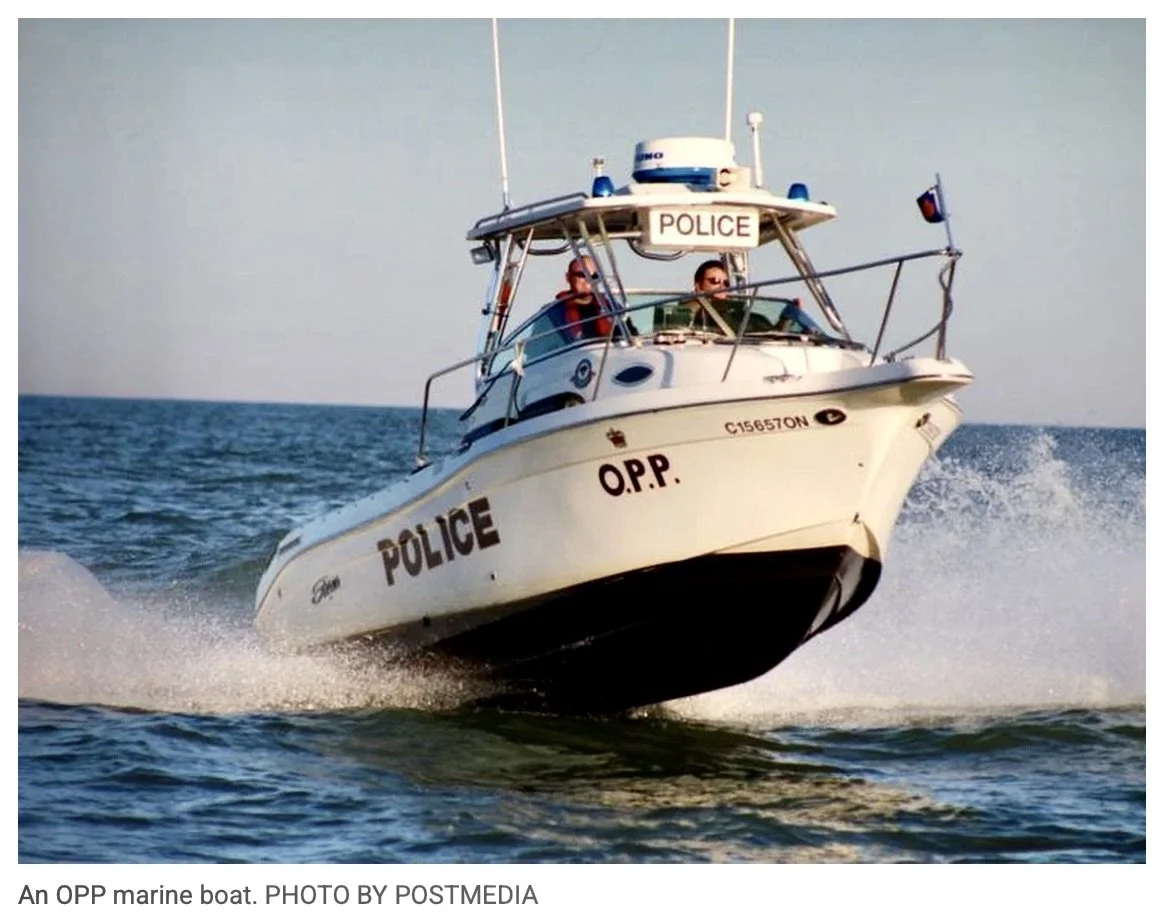
Reporting to the OPP:
To report dangerous boating, contact the Ontario Provincial Police, depending on whether it is an emergency or non-emergency.
Immediate Danger / Emergency
If there is an immediate threat to life or property (e.g., impaired operation, a serious accident with injuries, or a boat taking on water), use one of the following methods:
Call 9-1-1 (your local emergency number)
Non-Emergency Situations
For non-emergency situations, such as speeding in slow zones, improper behavior that is not an immediate danger, or a lack of required safety equipment, contact the OPP’s non-emergency line.
OPP Non-Emergency Line: Dial 1-888-310-1122
Cell Phone: Dial *OPP (or *677)
What to Report
When reporting, provide as much detail as possible:
Exact location and time of the incident.
Description of the boat (colour, make, style, name, license/registration number).
Description of the operator.
Details of the activity (e.g., speeding too close to shore, "slaloming" through inner channels).
Photos or videos of the activity, if safely possible.
For another useful link from SafeQuiet.ca about how to contact the OPP, CLICK HERE.
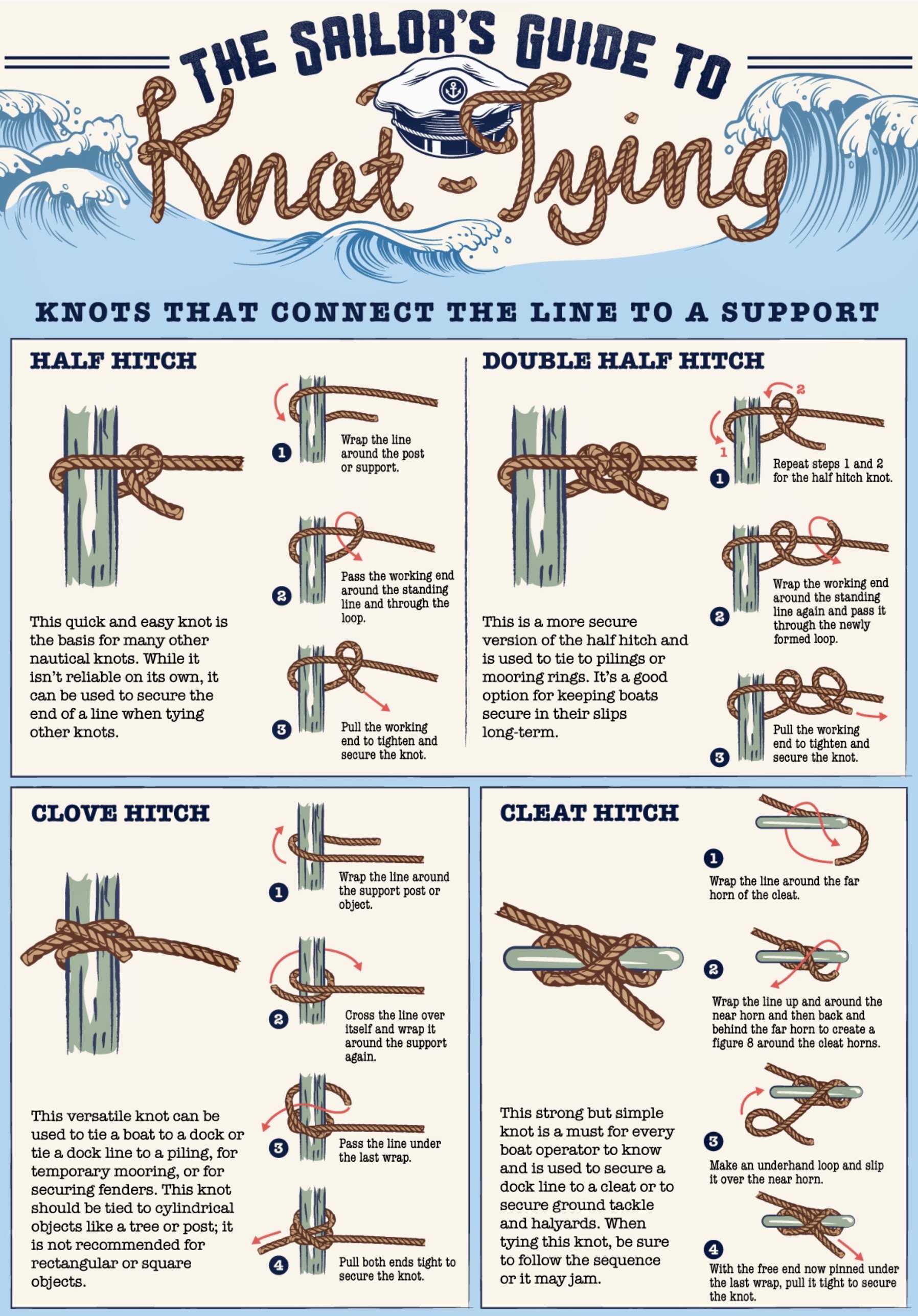
Boater Safety: Knot-Tying
Learning to tie knots is as important for boaters as it is for passengers:
Proper knots keep the boat secured to docks, moorings, and anchors,
Secure knots prevent damage to cleats, lines, docks, and expensive equipment.
Passengers who know a few basic knots can help dock, cast off, or secure gear.
Knot knowledge is a core boating skill, like navigation rules, boating safety and reading the weather.
Knots keep boats where they belong and people safe.
Even knowing just a few basic knots, makes boating more enjoyable for everyone.
Here are two resources to help you learn or re-learn proper knot-tying techniques.